Uma Noite Muito Estranha

Uma Noite Muito Estranha
puto bacoco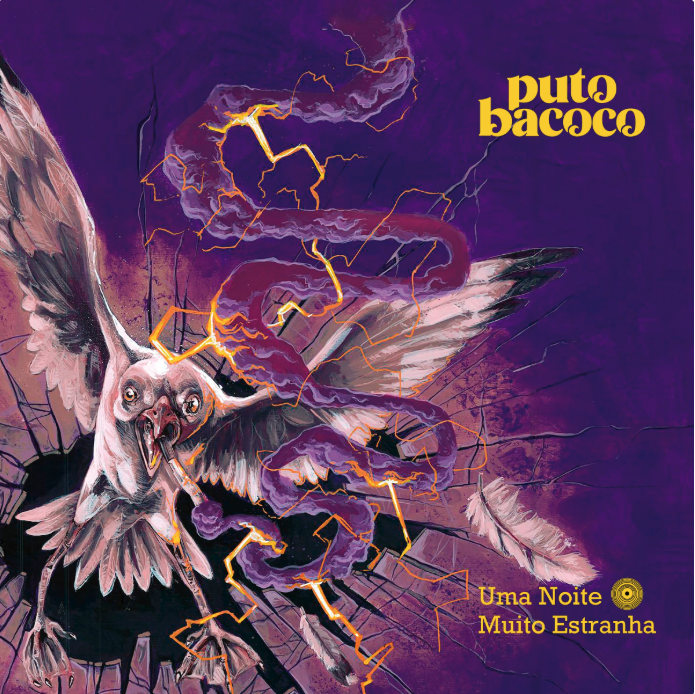
Uma Noite Muito Estranha
puto bacocoPuto bacoco present their debut album, "Uma Noite Muito Estranha" (A Very Strange Night), a project made up of eleven original songs which immerse the listener in a plural, urban, and cosmopolitan universe of sounds.
The collective — founded by Gil da Costa and Nuno Mendes — have built an artistic identity based on the musical translation of the lived experiences and tensions of the contemporary urban space; the environment where, as they put it, "in the city's chaos' midst, puto bacoco is born". Led by Gil da Costa, a musician and composer from Porto, the project is debuting with an album sung in Portuguese while combining musical influences not usually found in the national scene. The energy of Balkanite rhythms, the intensity of flamenco, the textures of Indie Rock, and the pulse of urban music converge in a musical personality marked by experimentation. The disk also includes the special participation of Gileno Santana on the trumpets, as well as Nelson Conceição on the French horn and Nelson Silva on the pianos.
Puto bacoco take on the task of "painting" contemporary scenery in a raw and direct manner, seeking to provoke thought and social impact. The album approaches complex emotions and latent moods, exploring subjects from daily life and the urban experience.
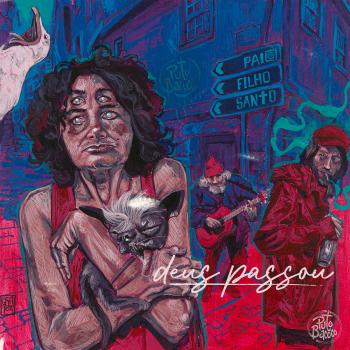
Among the songs in this lineup is the debut single "Deus Passou" (God Passed By), an intense and confessional composition that turns frustration into catharsis. The lyrics reflect on faith, absence, and disappointment, evoking a search for meaning in a world divided between heaven and hell.
Another moment that stands out is the song "Senhor Doutor" (Doctor Sir), a satyrical song which tackles social posturing and pursuit of status. Inspired by the traditional imagery of cloaked Portuguese university students — but not limited to that universe — the music describes ritualised and almost theatrical behaviours, through the eye of one who lives a more "mundane" existence.
"Uma Noite Muito Estranha" is the combined result of several nights of toil, change, and adversity; consolidating the debut of puto bacoco as one of the most singular and daring propositions among new Portuguese music.